Extensions
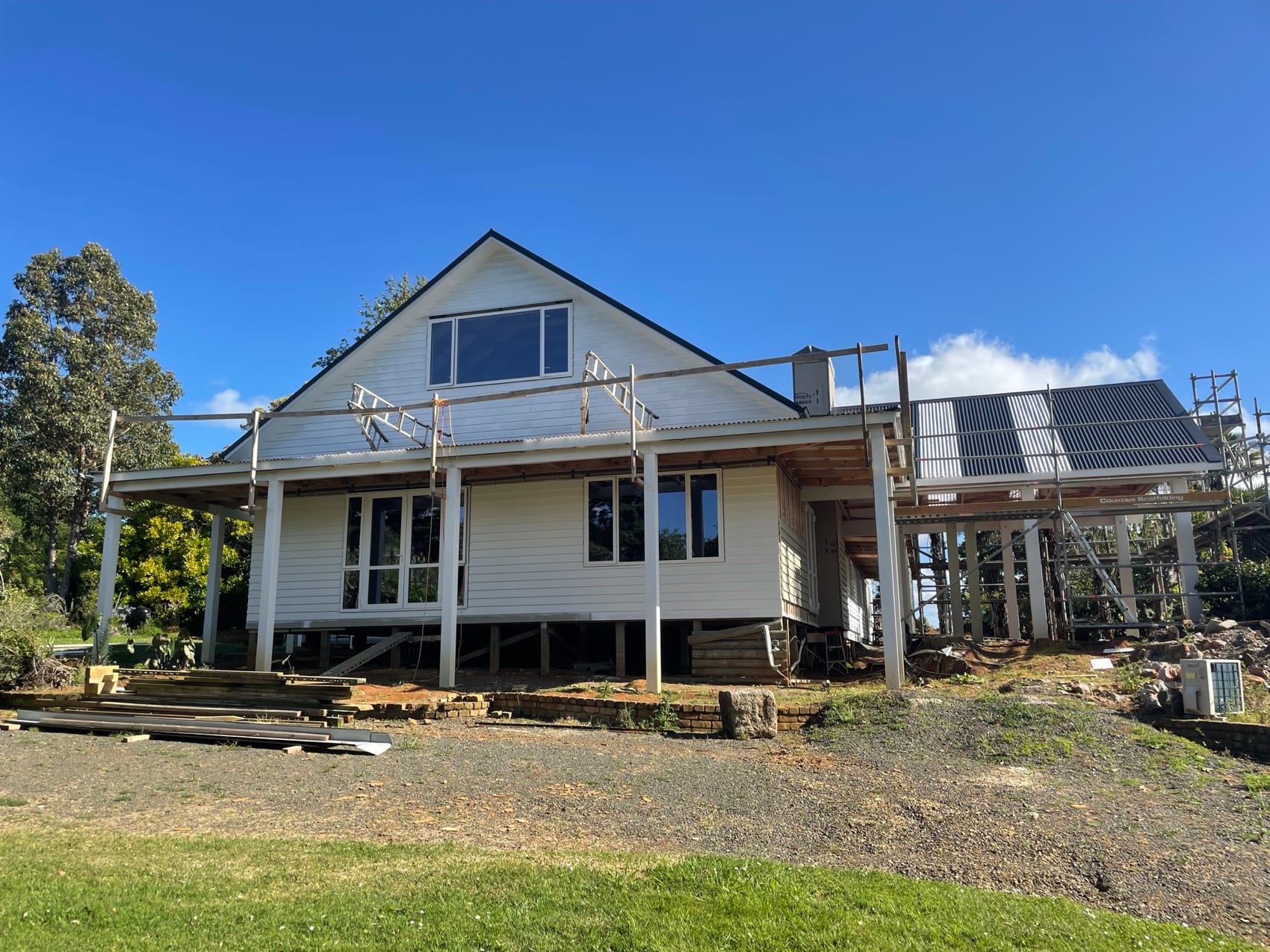
An extension is harder than a new build. You are matching weatherboard profiles from the 1960s, threading new framing into an existing roof line, and keeping a family living in half a house while you work.
What we do, end to end
One contract for the whole job, from the first site visit through to handover, with us booking and running every trade on it.
- 01Site survey and matching to the existing structure
- 02Resource and building consent for additions
- 03Foundations, framing and weathertight envelope
- 04Roofline integration without awkward step changes
- 05Internal joinery matched to the existing house or deliberately modernised
- 06Live-in staging so the family stays put
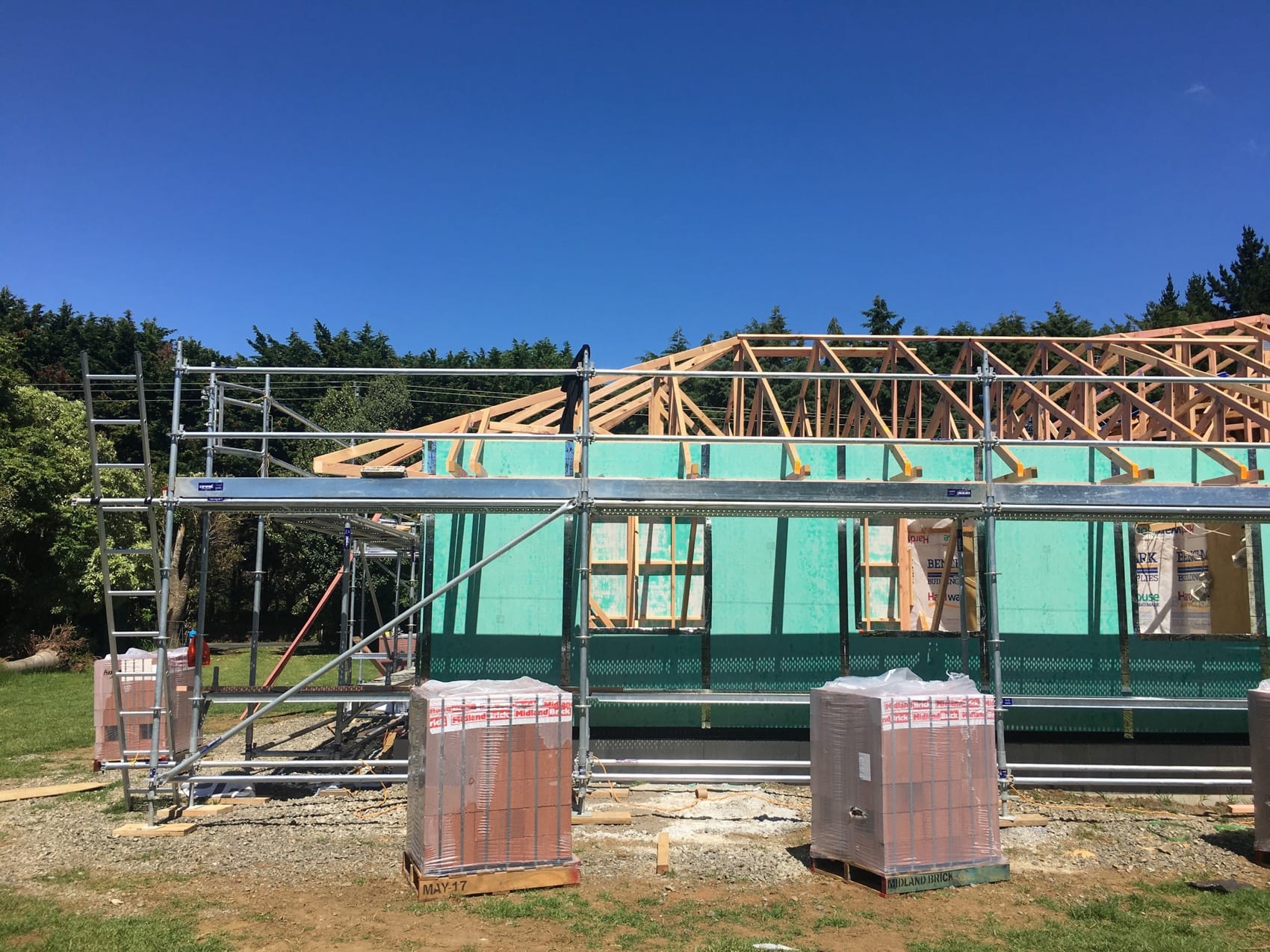
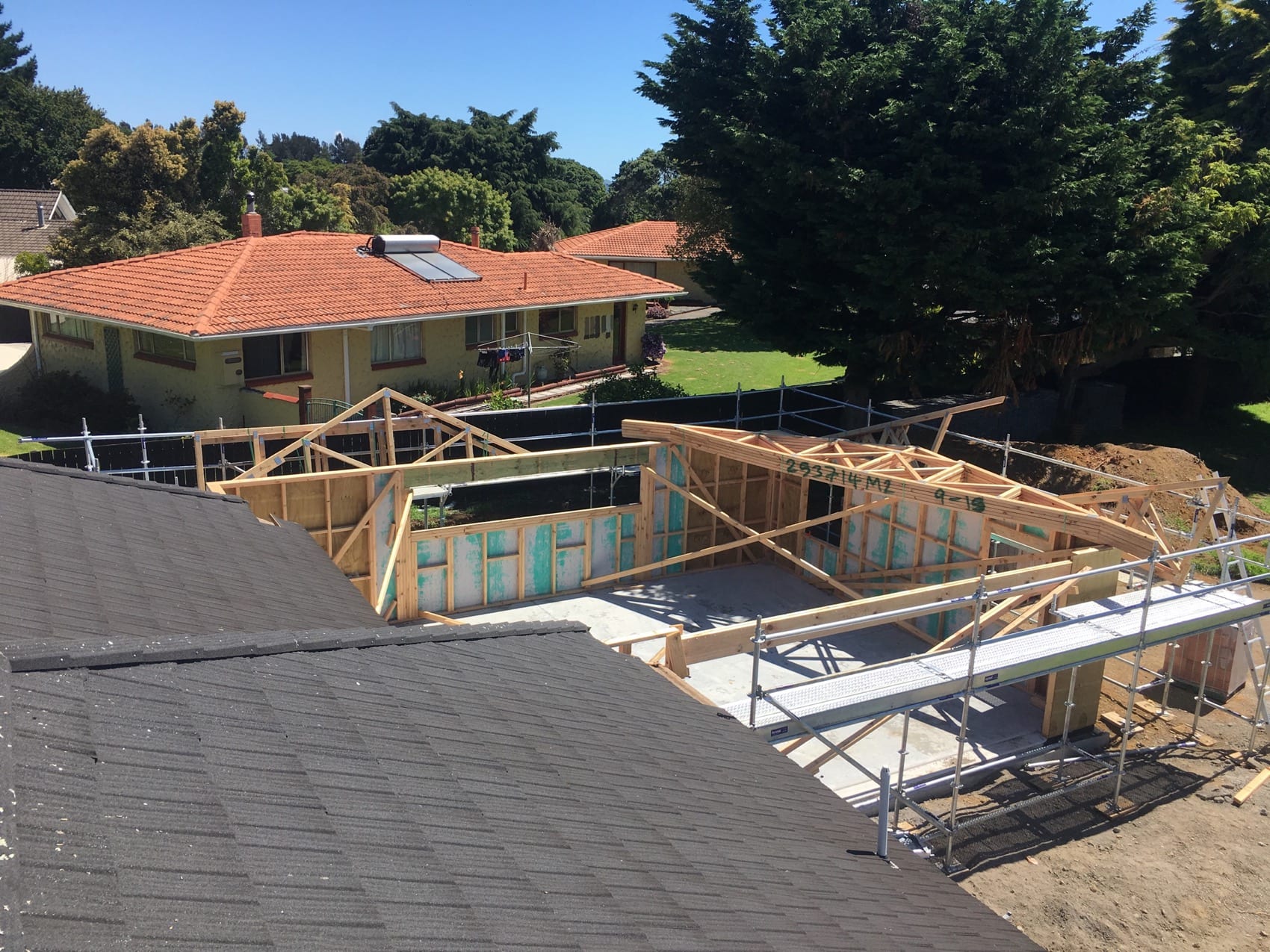
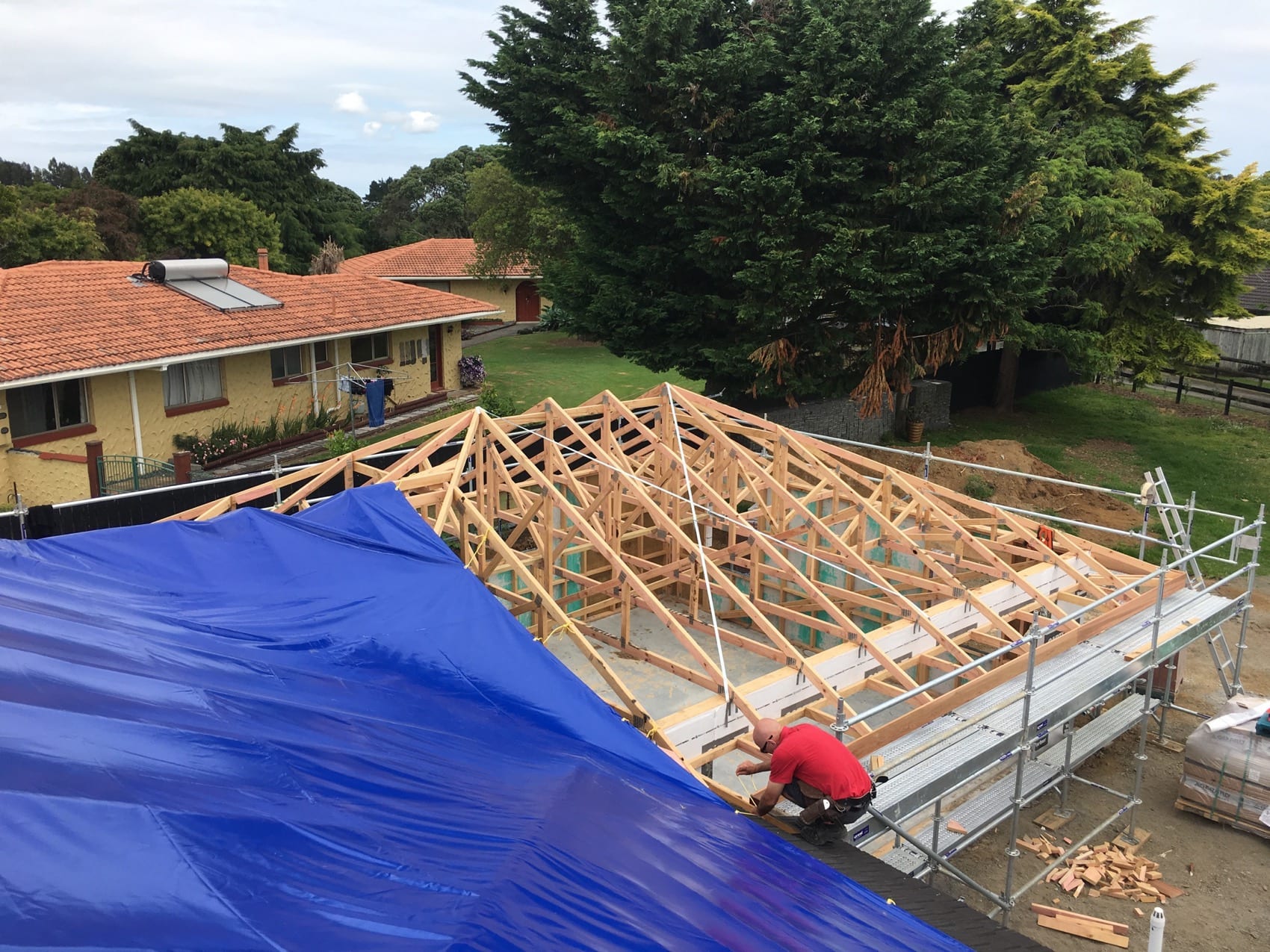
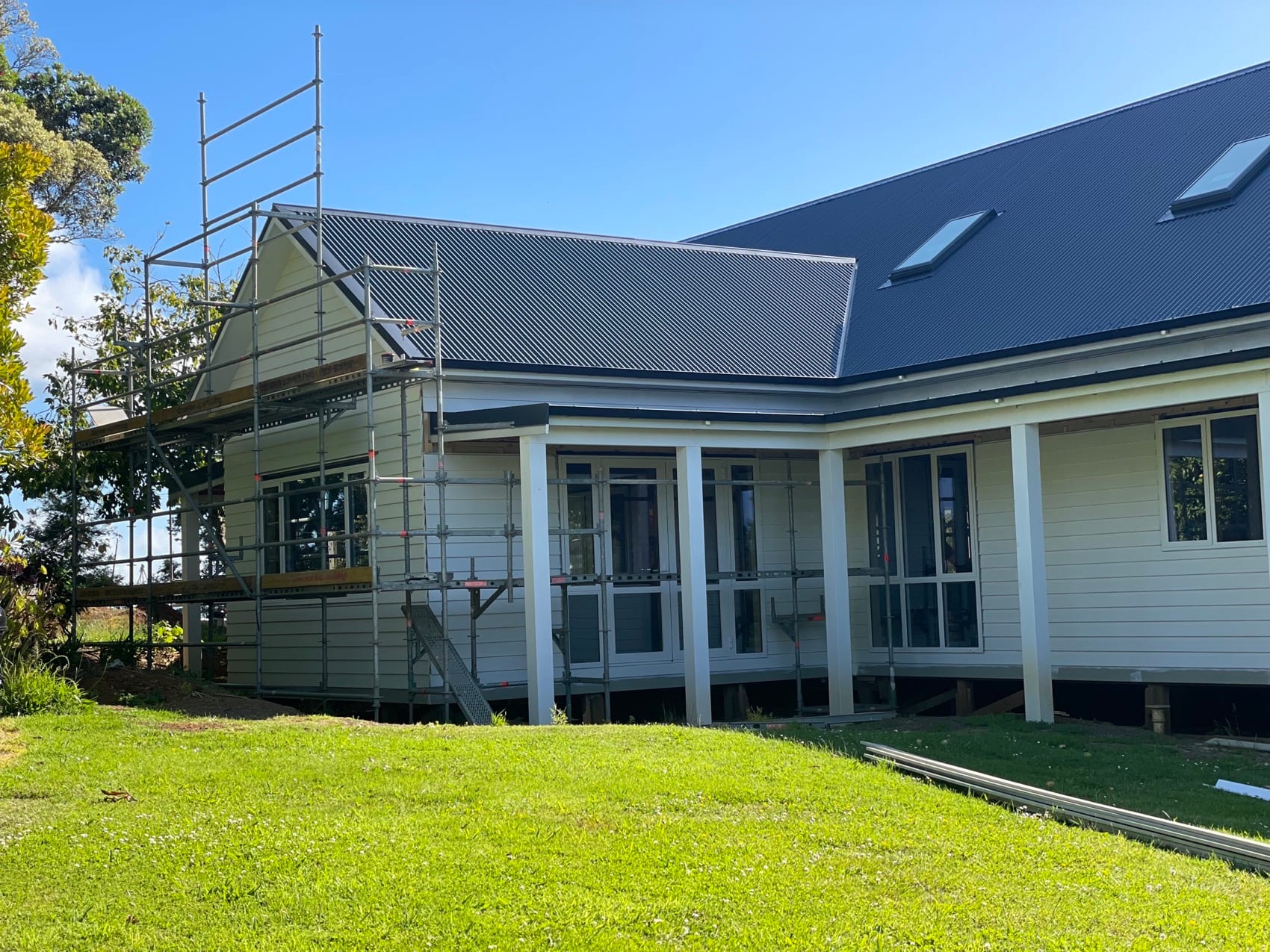
Extensions on site
Our own jobs, start to finish.
Where the value sits
Match or modernise, decided on purpose
We sit down with the existing house and decide together: match the original character, or push hard the other way for deliberate contrast. Both work. The wrong one is doing it by accident.
Live-in planning
We stage the build so you keep a bedroom, a working kitchen and a bathroom for as much of the project as possible, and we contain the dust.
Unknowns found before pricing
Extensions carry more unknowns than new builds. We do the exploratory work first, so the number is built on what is actually there rather than on what we hope is there.
Character handling
If your villa, bungalow or state house has period detail worth keeping, we protect it through the build and reinstate it afterwards.
We will tell you honestly whether extensions is the right call for your place.
New structure underneath
Worth knowing
before you ring
Can we live in the house during the extension?
Most of the time, yes. We protect the existing living areas with temporary walls, plan plumbing and power swap-overs for off-hours, and brief the team to keep noise and dust contained. Some weeks, usually around weathertight stage, are harder than others. We will tell you which.
How long do extensions take?
A single-room extension is usually eight to twelve weeks. A second storey or major rear extension runs four to six months. Character work adds time, and we factor it in before you sign.
Will the new section match the old?
If you want it to. We can source matching weatherboard profiles, match brickwork where the original is still available, and replicate trims and mouldings. Equally, if you want a contemporary addition that reads deliberately as new, we detail the junction so it looks intended.
Do extensions need a building consent?
Almost always. Anything structural, any new room, any plumbing or electrical reconfiguration triggers consent. Some very minor work sits under Schedule 1 of the Building Act and does not, and we will tell you the moment we know which you are.
Every job starts the same way: we come and look at it.
Extensions across